Langhe Wine Tours: Barolo, Truffles & Michelin Stars in Piedmont
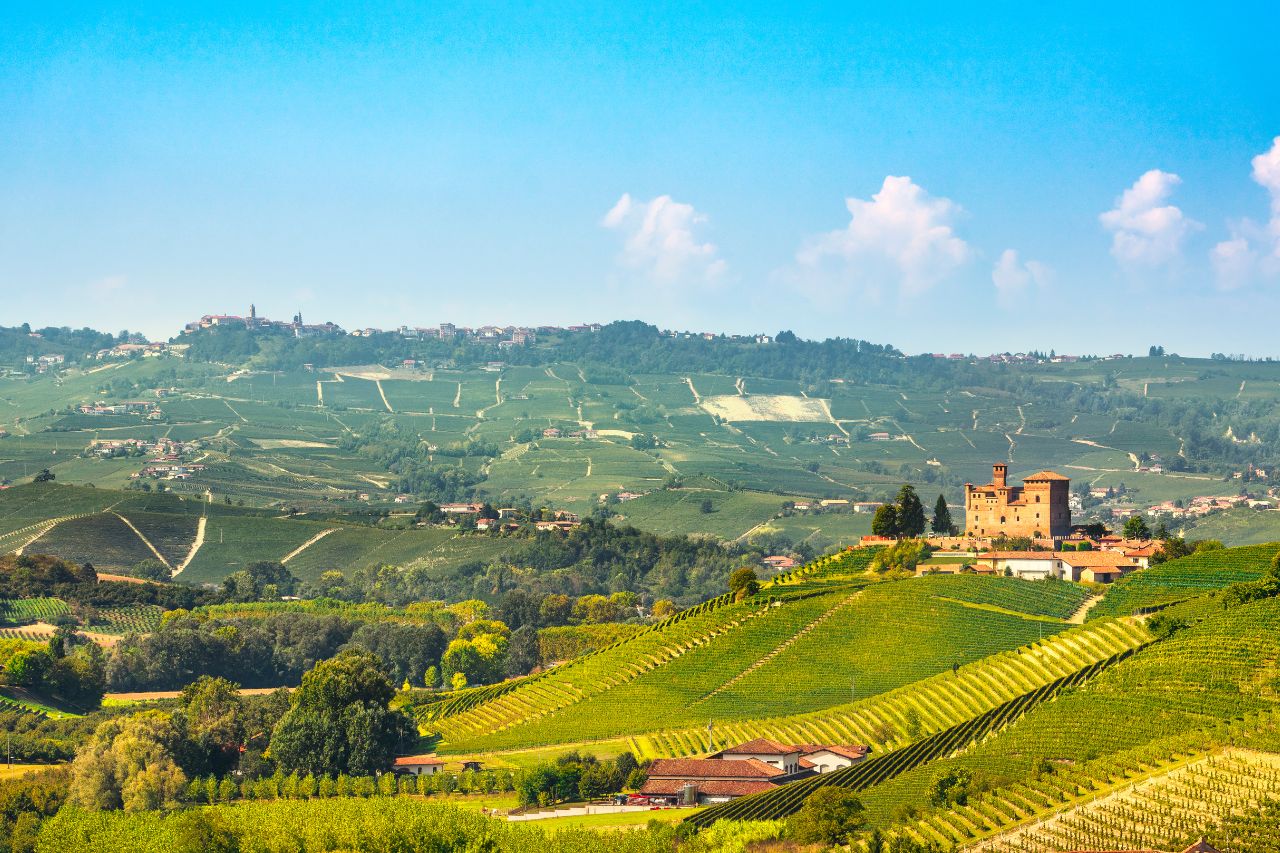
Imagine standing in underground wine cathedrals carved centuries ago into tufa stone, a glass of Barolo in hand—Italy’s “King of Wines”—while your guide explains why these specific hillsides produce wines that command reverence worldwide. Above ground, UNESCO-protected vineyard landscapes roll toward medieval villages perched on hilltops, their stone towers catching golden afternoon light.
This is the Langhe Region—Piedmont’s gastronomic heart, where every experience revolves around exceptional food and wine. Here, white truffles sell for thousands per pound, Michelin-starred restaurants dot the countryside, and family-run wineries have perfected their craft over generations.
Welcome to Northern Italy’s most sophisticated culinary destination, just 90 minutes from Turin’s elegant boulevards yet worlds away in pace and purpose. While Tuscany’s Chianti attracts international attention, connoisseurs seek Langhe for something more intimate—where wine culture runs deeper, culinary excellence reaches higher, and authenticity matters profoundly.
Casa di Langa: Your Contemporary Wine Country Sanctuary
Your home in Langhe isn’t merely accommodation—it’s an immersive experience in modern luxury harmonizing with ancient wine traditions. Casa di Langa, a five-star resort spread across 42 hectares of rolling vineyards and hazelnut groves, represents everything discerning travelers seek: exclusivity, authenticity, and connection to the land.
Where Contemporary Design Meets UNESCO Heritage
With just 39 rooms and suites, Casa di Langa ensures genuine intimacy and personalized service. The architecture—contemporary and elegant—blends seamlessly with surrounding UNESCO vineyard landscapes, honoring local traditions while offering five-star comfort.
Resort amenities include:
- Wine school: Deep-dive education into Barolo, Barbaresco, and Piedmontese viticulture
- Cooking school: Hands-on classes featuring regional specialties like tajarin pasta and brasato al Barolo
- Luxury spa: Treatments incorporating local ingredients—grape seed oils, hazelnut essences
- Estate vineyards: Walk among vines that produce the resort’s own wines
- Hazelnut groves: Source of Piedmont’s famous Tonda Gentile hazelnuts used in gianduja chocolate
Your arrival from Turin takes approximately 90 minutes via private Mercedes V transfer with English-speaking driver, the route offering preview glimpses of the vineyard-covered hills ahead.
Barolo Luxury Tour: Into the Heart of Wine Royalty
Your 8-hour private Barolo experience represents the pinnacle of wine tourism—exclusive access, expert guidance, and Michelin-starred dining combining to reveal why this region captivates oenophiles worldwide.
The day begins at Grinzane Cavour Castle, a UNESCO World Heritage Site whose imposing towers have overlooked Barolo vineyards since the 11th century. Inside, your expert guide explains how Camillo Benso, Count of Cavour (Italy’s first Prime Minister) revolutionized Barolo production in the 1800s, transforming it from sweet wine into the dry, age-worthy masterpiece we know today.
Exclusive Winery Access and Prestigious Tastings
Unlike standard group tours, your experience includes private access to prestigious Barolo wineries—family estates whose names command respect: perhaps Marchesi di Barolo, or a smaller boutique producer whose limited production rarely reaches international markets.
In temperature-controlled cellars, surrounded by oak barrels containing wines slowly reaching perfection, you’ll taste:
- Young Barolo: Understanding the Nebbiolo grape’s tannic structure and acidity
- Reserve vintages: Experiencing how 10+ years of aging transforms wine into liquid poetry
- Single-vineyard crus: Appreciating how micro-terroir differences create distinct personalities
- Comparison tastings: Barolo versus Barbaresco, understanding their relationship and differences
Your guide explains the DOCG designation, aging requirements (minimum 38 months for Barolo, 26 for Barbaresco), and why these specific hillsides—with their calcareous marl soil and perfect exposition—produce Italy’s most noble wines.
Michelin-Starred Gastronomic Excellence
Lunch isn’t an afterthought—it’s a carefully orchestrated 3-course tasting menu at a Michelin-starred restaurant, each dish designed to complement Piedmontese wines. Expect dishes like:
- Vitello tonnato: Piedmont’s iconic cold veal with tuna sauce, reimagined with modern technique
- Tajarin al tartufo: Hair-thin egg pasta with fresh white truffle (in season)
- Brasato al Barolo: Beef braised for hours in Barolo wine until fork-tender
- Bonet: Traditional chocolate-hazelnut pudding elevated to art
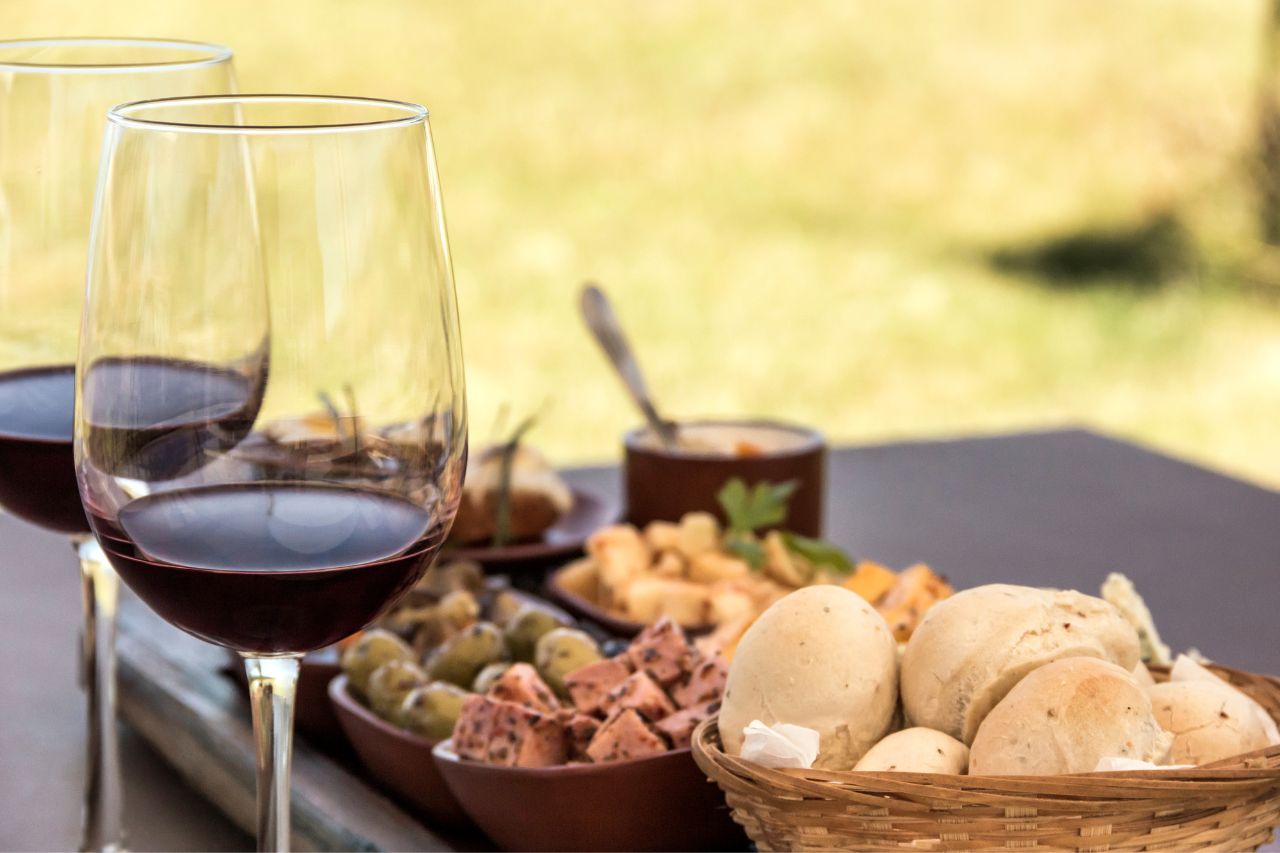
Each course arrives with wine pairing—perhaps a crisp Arneis with appetizers, mature Barolo with meat, Moscato d’Asti with dessert—demonstrating why Piedmontese cuisine and wine evolved together over centuries.
Barbaresco & Neive: Family Wineries and Italy’s Most Beautiful Villages
Your 8-hour Barbaresco exploration reveals Barolo’s elegant sibling—a wine that, while sharing the Nebbiolo grape, expresses itself differently thanks to slightly warmer microclimate and different soil composition.
Neive: Architectural Gem Among Vineyards
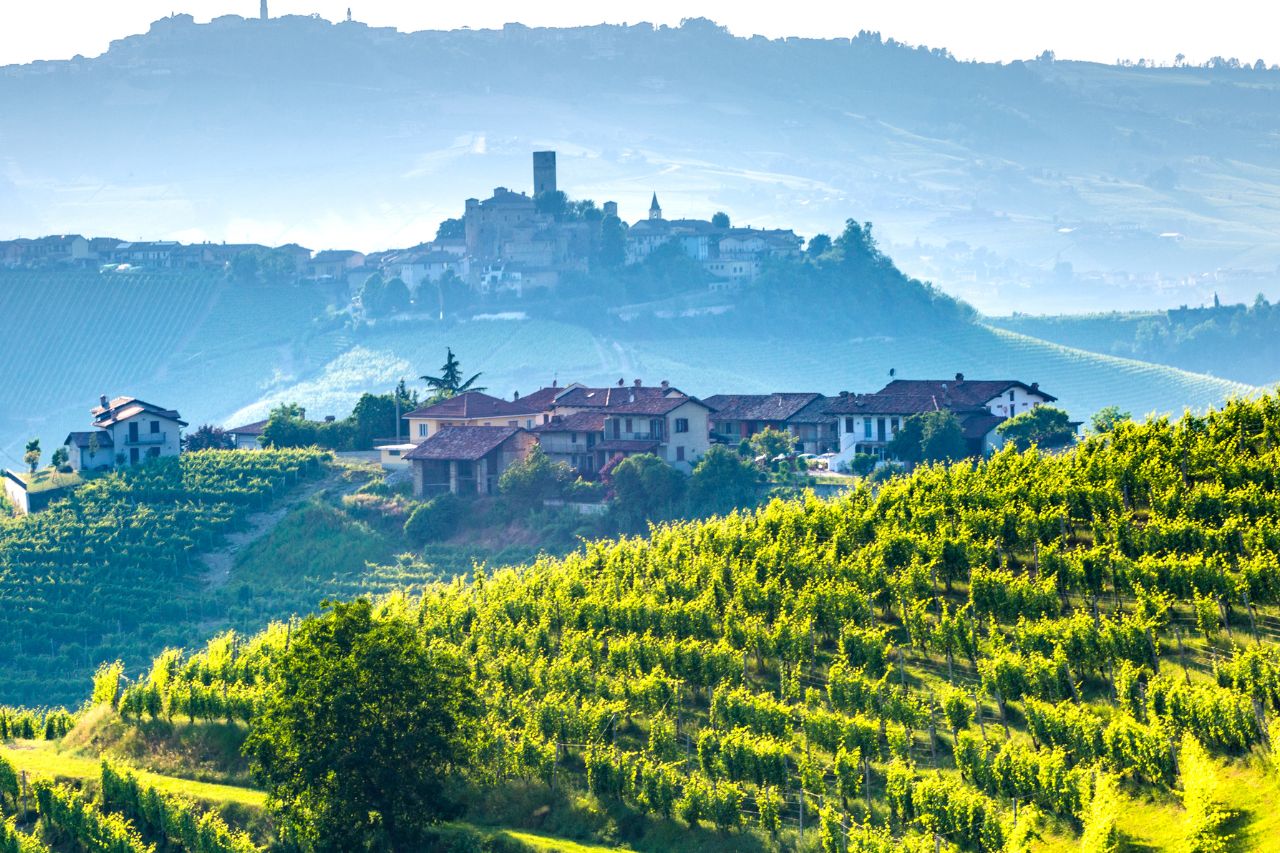
Neive ranks among Italy’s Most Beautiful Villages (I Borghi più belli d’Italia), its medieval center remarkably preserved. Cobblestone streets wind past stone houses with flower-filled balconies, leading to panoramic viewpoints where vineyard landscapes stretch endlessly.
Your guide shares stories of local families who’ve tended these vines for generations, explaining how Barbaresco earned DOCG status in 1980 and why many consider it more approachable than Barolo’s power—”the queen” to Barolo’s “king.”
Family-Run Winery Intimacy
Unlike prestigious Barolo estates, your Barbaresco visit focuses on family-run wineries where the owner often conducts tastings personally. These smaller producers offer different insights—passionate, personal, connecting you directly to people whose lives revolve around these vines.
Lunch at a local eatery features a 3-course tasting menu with wine, emphasizing traditional recipes prepared simply but perfectly—the way locals actually eat rather than restaurant theater.
Alba: Truffle Capital and Michelin-Starred Indulgence
Your Alba day combines medieval history with one of gastronomy’s most thrilling experiences—hunting for white truffles, those mysterious fungi that grow only in specific conditions and command astronomical prices.
Alba’s Historic Heart and Gourmet Legacy
Your 2-hour guided walk through Alba’s historic center reveals a city that’s been important since Roman times. Medieval towers rise above elegant piazzas, while shop windows display the region’s treasures—hazelnuts, chocolates, wines, and during October-November truffle season, those precious white truffles.
Alba hosts the International White Truffle Fair each autumn, attracting gourmands globally. Your guide explains why Tuber magnatum pico (white truffle’s scientific name) grows only in this region’s specific soil and climate conditions, and why attempts to cultivate them have failed—they remain nature’s gift, found only by skilled hunters and trained dogs.
The Private Truffle Hunt: Following the Trifolau
In afternoon’s golden light, you venture into enchanting woods with an expert Trifolau (truffle hunter) and his trained dog—typically a Lagotto Romagnolo breed specifically bred for truffle hunting. Watching the dog work is mesmerizing—nose to ground, suddenly stopping, pawing excitedly at a spot where, just centimeters below, a truffle hides.
The Trifolau carefully excavates using a special tool, revealing the truffle’s pale, lumpy exterior. He holds it to your nose—that indescribable aroma, earthy yet refined, that justifies prices reaching €3,000+ per pound for exceptional specimens.
You’ll learn:
- How dogs are trained from puppyhood to detect truffle scent
- Why truffle hunting happens at night (secrecy and cooler temperatures)
- How climate change affects truffle production
- The difference between white and black truffles
- Traditional methods passed through generations
One-Star Michelin Dinner: Truffle Glory
Your day culminates at a Michelin-starred restaurant where the tasting menu celebrates truffles in multiple courses. Watch as servers shave fresh white truffle over tajarin pasta, over fonduta (Piedmontese fondue), over simple fried eggs—each shaving adding immeasurable value and aroma.
The wine-paired tasting menu showcases Piedmont’s breadth—not just Barolo and Barbaresco, but also Dolcetto, Barbera, Grignolino—each grape expressing this land’s character differently.
Canelli & Asti: Sparkling Finale and Medieval Splendor
Your departure from Langhe toward Lake Maggiore and Stresa includes a full-day exploration of Piedmont’s sparkling wine heritage and medieval architecture.
Underground Cathedrals: Canelli’s Wine Temples
The Underground Cathedrals of Canelli—another UNESCO World Heritage Site—are vast cellars carved into tufa stone, some reaching 32 meters deep. These aren’t tourist attractions but working cellars where Asti Spumante and other sparkling wines mature in ideal conditions.
Walking through torch-lit tunnels feels otherworldly. Your guide explains the Charmat method used for Asti Spumante (secondary fermentation in pressurized tanks) versus traditional Champagne method, and why Moscato d’Asti—lightly sparkling, lower alcohol—pairs perfectly with Piedmontese desserts.
The underground tour concludes with sparkling wine tasting—experiencing firsthand why these wines have earned international acclaim.
Asti: Medieval Architecture and Gourmet Lunch
Asti’s medieval center features impressive towers (once over 100, now about 15 remain), vibrant squares, and historic churches. Your guided exploration reveals a city that rivals better-known Tuscan towns in architectural beauty but sees far fewer tourists.
Lunch at a carefully selected local restaurant (3-course tasting menu with wine) celebrates Asti’s culinary traditions—perhaps agnolotti del plin (tiny stuffed pasta), or bagna cauda (warm anchovy-garlic dip for vegetables).
Following lunch, your private driver continues north toward Stresa on Lake Maggiore, completing your Piedmont immersion with seamless transition to your next Italian adventure.
Planning Your Perfect Langhe Wine Escape
Pre-Trip Essentials:
- ✓ Book 4-6 months ahead for peak truffle season (October-November)
- ✓ Pack layers: Piedmont weather can shift; evenings cool even in summer
- ✓ Comfortable walking shoes: Vineyard tours and village cobblestones require good footwear
- ✓ Smart casual evening attire: Michelin restaurants appreciate elegant dress
- ✓ Wine shipping research: Understand US customs regulations for bringing wine home
- ✓ Dietary preferences communicated early: Especially allergies, as tasting menus are predetermined
Best Times to Visit Langhe:
- Fall (October-November): White truffle season, grape harvest, autumn colors, cooler weather—peak experience time
- Spring (April-June): Vineyard blooms, pleasant weather, fewer tourists, ideal for outdoor activities
- Summer (July-August): Warm weather, outdoor dining, wine festivals, advance booking essential
- Winter (December-March): Black truffle season, cozy wine cellars, fewer crowds, snow-capped Alps views
Frequently Asked Questions: Langhe Wine Tours
What makes Langhe different from Tuscany’s wine regions?
While Tuscany offers beauty and excellent Chianti, Langhe provides more intimate, sophisticated wine culture. Barolo and Barbaresco wines command higher prestige than Chianti globally. Additionally, Langhe’s white truffle, hazelnut, and cheese traditions create more diverse gastronomic experiences. The region sees fewer tourists, offering more authentic interactions with winemakers.
How many days should I spend in Langhe?
We recommend 4-5 nights minimum to fully appreciate the experiences—Barolo luxury tour, Barbaresco exploration, Alba truffle hunting, and at least one free day for Casa di Langa’s amenities or spontaneous village discoveries. This pacing prevents wine-tasting fatigue and allows proper digestion of Michelin meals.
When is white truffle season?
October through November is peak white truffle season, with the Alba International White Truffle Fair running mid-October to mid-November. Prices and availability vary based on weather conditions—wet autumns produce better harvests. Book accommodations 6+ months ahead for truffle season.
Are the wine experiences suitable for non-experts?
Absolutely. While wine enthusiasts will appreciate technical depth, guides excel at making viticulture fascinating for all knowledge levels. The focus is enjoyment and understanding rather than intimidating expertise. Even non-drinkers find the cultural, historical, and gastronomic aspects compelling.
Can I purchase wines to ship home?
Yes, wineries can arrange international shipping, though US customs limits and state regulations vary. Alternatively, many will hold purchases for you to collect on return visits. Some travelers use specialized wine shipping services. Discuss options with your personal travel designer—we can facilitate connections.
How does Casa di Langa compare to Tuscan agriturismos?
Casa di Langa offers more contemporary luxury than traditional Tuscan farmhouse accommodations. Think 5-star resort with wine school, cooking school, and spa rather than rustic authenticity. However, it maintains deep connection to land and traditions while providing modern comfort that appeals to luxury travelers.
Is Langhe accessible from other Italian destinations?
Yes. The region sits 90 minutes from Turin, 2 hours from Milan, and connects beautifully with Lake Maggiore, Lake Como, and the Italian Alps. Many travelers combine Langhe with Northern Italy tours or as a wine-focused extension of broader Italian itineraries.
Begin Your Langhe Gastronomic Journey Today
The Langhe Region isn’t just visited—it’s tasted, savored, and treasured. From your first sip of Barolo to your final truffle shaving over handmade pasta, every moment deepens your appreciation for Piedmont’s unparalleled culinary sophistication.
Whether you’re a serious oenophile, passionate foodie, or simply seeking Italy’s most refined gastronomic experiences, we’re here to make it flawless.
Start Designing Your Langhe Wine Escape
Luxury Italian Escape
📧 Email: info@luxuryitalianescape.com
📞 Phone: +1 (305) 630-8433
📱 Instagram: @luxuryitalianescape
🌐 Website: www.luxuryitalianescape.com